
Les Rendez-vous de la tranquillité publique à Paris
Hôtel de Lauzun
Gardes Room - Firs floor
17 quai d'Anjou
75004 Paris
  |
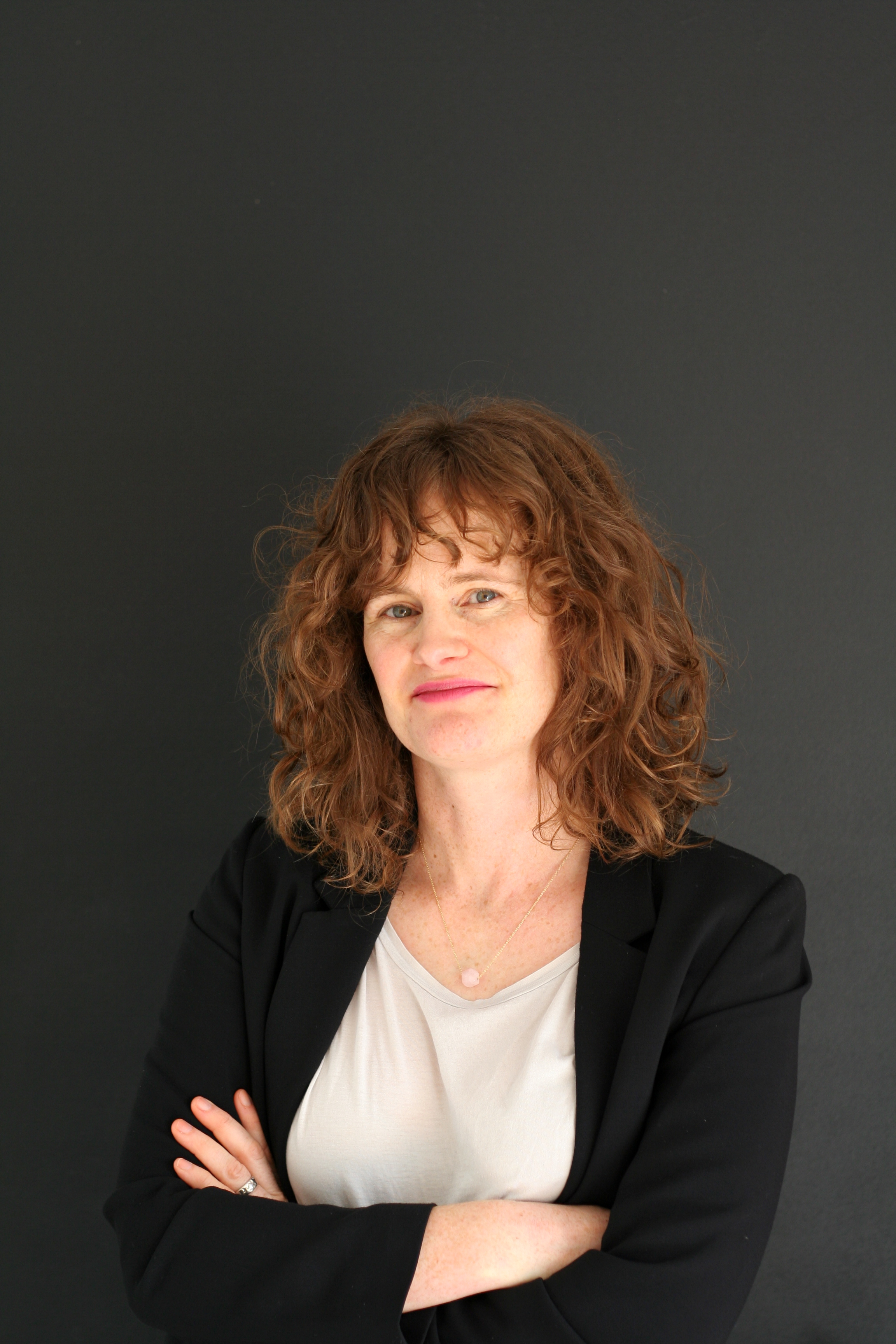
Talk by Amelia Thorpe, 2025–2026 research fellow at the Paris IAS Paris (City of Paris Chair), and Professor of Law at the University of New South Wales in Sydney, Australia, during the first edition of the series “Les Rendez-vous de la tranquillité publique à Paris” organised by the Public Order Observatory of the City of Paris’s Municipal Police and Prevention Directorate (DPMP), in partnership with the Paris Mobility Observatory and with the support of the Paris IAS.
Event closed to the public.
Presentation
The Public Safety Observatory of the City of Paris’s Directorate of Municipal Police and Prevention (DPMP) is launching its regular action-research series, “Les Rendez-vous de la tranquillité publique à Paris”.
The aim is to foster dialogue between City of Paris professionals and guest researchers on the issues raised by residents.
For this first edition, in partnership with the Paris Mobility Observatory, we invite you to join the discussion on the mobility transition in Paris, and more specifically on the interactions between planning, uses and regulation of public space.
Amelia Thorpe, Professor of Law and holder of the City of Paris Chair for 2025–2026, will present her work on the concept of ‘folk law’, which highlights how everyday uses of public space help shape both the planning and regulatory frameworks that govern it.
See you on Tuesday 14 April
from 2pm to 4pm
Hôtel de Lauzun
17 quai d'Anjou 75004 Paris
Speakers
- Michel Felkay, Director of the Municipal Police and Prevention Department (DPMP).
- Cécile Honoré, Deputy Head of the Public Space Sharing and Air Quality Unit at the Mobility Agency (DVD).
- Olivier Le Puil, Director of the Municipal Police, lecturer at the School of Security and Prevention Professions (DPMP).
- Nicolas Roy, Head of the Mobility Agency within the Roads and Transport Department (DVD).
- Julien Wolikow, Head of the Policy, Partnerships and Fines Management Unit at the Municipal Police and Prevention Department (DPMP).
|
|
 Democratic infrastructures 01 September 2025 - 30 June 2026 |
|
|